Organic Syntheses procedures
3,374 reactions: 10 worked examples with a reagent table you can scale, 503 named reactions and 2,861 checked procedures from Organic Syntheses.
529–552 of 2,861
- Catalytic reduction of amides to amines with hydrosilanes using a triruthenium carbonyl cluster as the catalystReduction
- Catechol
- Cellobiose
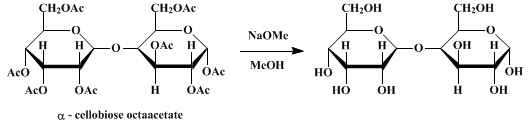
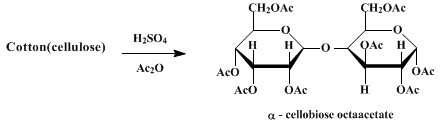
- α-Cellobiose octaacetate
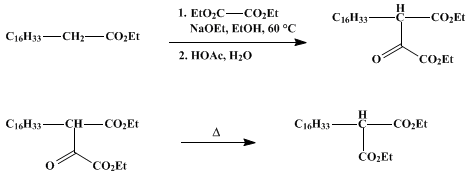
- Cetylmalonic ester
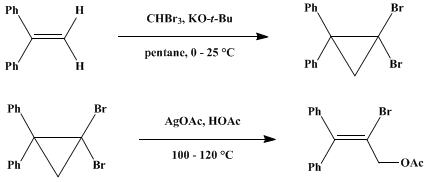
- Chain elongation of alkenes via gem-dihalocyclopropanes: 2-bromo-3,3-diphenyl-2-propen-1-yl acetate
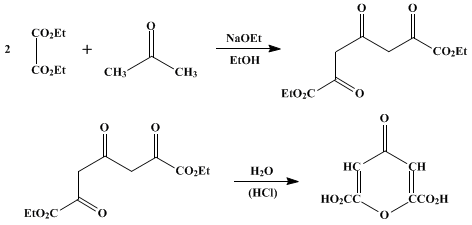
- Chelidonic acid
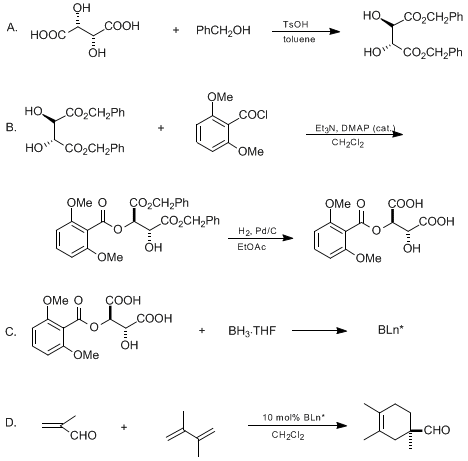
- Chiral (acyloxy)borane complex-catalyzed asymmetric Diels-Alder reaction: (1R)-1,3,4-trimethyl-3-cyclohexene-1-carboxaldehyde
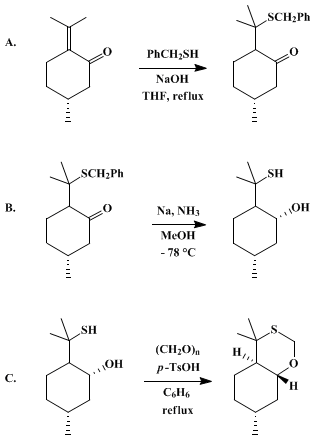
- Chiral 1,3-oxathiane from (+)-pulegone: hexahydro-4,4,7-trimethyl-4H-1,3-benzoxathiin
- Chiral lithium amide base desymmetrization of a ring fused imide: formation of (3aS,7aS)-2-[2-(3,4-dimethoxyphenyl)-ethyl]-1,3-dioxo-octahydro-isoindole-3a-carboxylic acid methyl ester
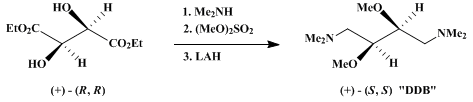
- Chiral media for asymmetric solvent inductions. (S,S)-(+)-1,4-Bis(dimethylamino)-2,3-dimethoxybutane from (R,R)-(+)-diethyl tartrate
- α-Chlorination of carboxylic acids mediated by chlorosulfonic acid: ε-benzoylamino-α-chlorocaproic acid
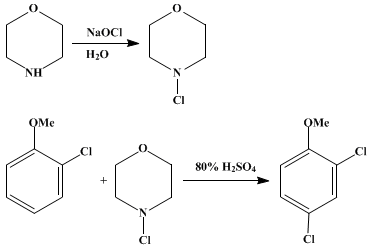
- 4-Chlorination of electron-rich benzenoid compounds: 2,4-dichloromethoxybenzene
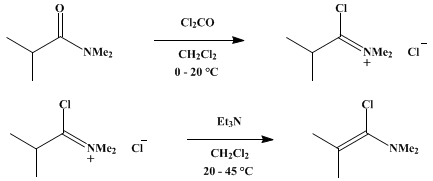
- α-Chloro enamines, reactive intermediates for synthesis: 1-chloro-N,N,2-trimethylpropenylamine
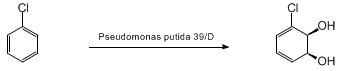
- 1-Chloro-(2S,3S)-dihydroxycyclohexa-4,6-diene
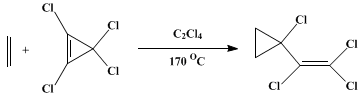
- 1-Chloro-1-(trichloroethenyl)cyclopropane
- 2-Chloro-1-formyl-1-cyclohexene
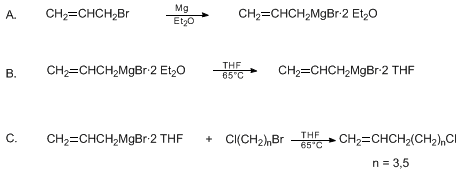
- 6-Chloro-1-hexene and 8-chloro-1-octene
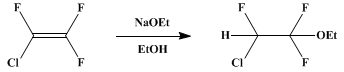
- 2-Chloro-1,1,2-trifluoroethyl ethyl ether
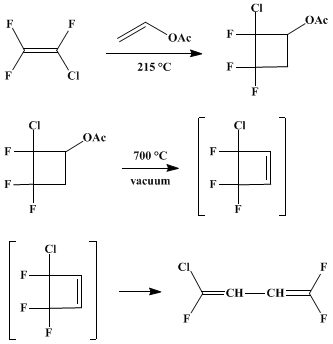
- 1-Chloro-1,4,4-trifluorobutadiene
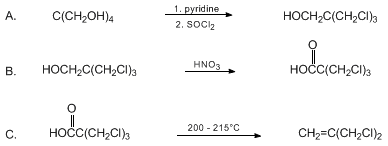
- 3-Chloro-2-(chloromethyl)-1-propene
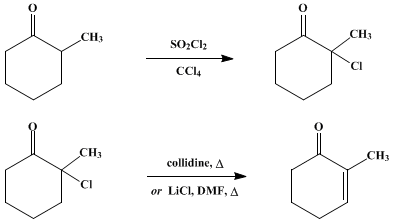
- 2-Chloro-2-methylcyclohexanone and 2-methyl-2-cyclohexenone
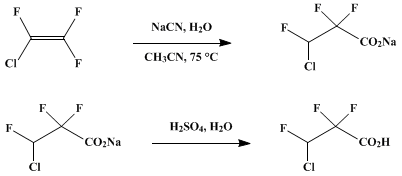
- 3-Chloro-2,2,3-trifluoropropionic acid
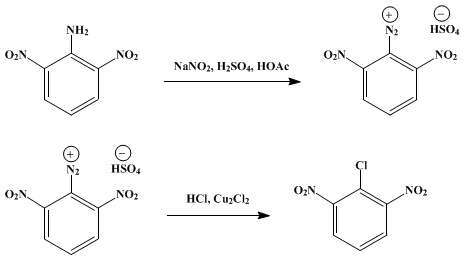
- 1-Chloro-2,6-dinitrobenzene



Page 23 of 120